Insurance Changed? What to Do With Unused Supplies
We buy sealed diabetic supplies for cash. We do not sell supplies.
If your insurance changed and you now have sealed supplies you can't use, don't throw them away. Sort them first, then choose to use, donate, or sell what's sealed and in date. Supplies paid for by Medicare or Medi-Cal are different, and we don't buy them.
Selling? See everything we buy.
This page is general information, not medical or legal advice. Talk to your doctor or pharmacist about your own care.
A new job, a new plan or a list change can all switch which sensor, pod or strip you get. Here's what to do next.
Why do plan changes leave extra supplies?
Each plan covers a certain list of products. When your plan changes, that list can change too.
Medicare is one common switch. Medicare covers people 65 and older, and some younger people with a disability, ESRD or ALS. Moving to Medicare can mean a new supplier and a new brand.
Before you switch, ask your old pharmacy to stop automatic refills. That keeps more boxes from showing up after the change.
Plans can also change their lists at the start of a new year, even if you keep the same plan. Read any letter your plan sends in the fall. It may tell you a product you use is changing.
If you're not sure what your new plan covers, call the number on your card. Ask which sensor, pod or strip brand is covered, and whether you need a new prescription.
Insurance changed? Sort what you have
Sort your boxes in this order:
- Sealed or opened. Opened boxes, loose sensors and loose pods usually can't be resold or donated.
- In date or expired. Look for the hourglass symbol. Our guide on finding the REF, LOT and expiration date shows where it is.
- Version. A G7 15 Day and a G7 10-day are different products. So are Libre 3 Plus and Libre 2 Plus.
- Labels. Set aside anything marked "NOT FOR RESALE."
- Who paid. Set aside anything paid for by Medicare or Medi-Cal.
Write down what's left: the product, count and date. That list makes every next step easier.
Keep the "NOT FOR RESALE" and Medicare piles apart from the rest. That way, they don't end up in a donation bag or a quote by mistake. If you're not sure who paid, check the pharmacy label or ask your pharmacy.
What if Medicare or Medi-Cal paid?
We don't buy supplies paid for by Medicare or Medi-Cal. Medi-Cal is California's Medicaid program. If either one paid for a box, please don't offer it to us.
Got more than you need? Call your supplier and ask to lower your order. Medicare Part B covers blood sugar test strips and may cover CGM sensors if you qualify, so shipments can keep coming automatically.
This page isn't legal advice. If you have questions about your own supplies, ask Medicare, Medi-Cal or your plan.
What are your options for sealed boxes?
For sealed, in-date supplies you paid for yourself or through a private plan, you have a few choices:
- Ask your doctor first. If your plan change is new, your doctor may want you to finish the old supplies before you switch.
- Donate. Some clinics or programs accept sealed supplies. Call first, since rules vary.
- Sell. A buyer can make an offer on sealed, unexpired boxes. See what we buy for the full list.
Used needles and lancets need safe disposal. The FDA says to put them in a sharps container right after use.
A real-life example
Say you started a new job in March, and your new plan covers a different CGM. Your old plan had shipped three months of sensors in February. Now they sit in your closet.
First, call your doctor. They tell you to start the new sensor, so the old boxes are extra. Then sort them. Two boxes are opened, and eight are sealed and good for another year.
You toss nothing yet. You write down the eight sealed boxes and their dates. Then you choose what to do with them while the dates are still far off.
The opened boxes are a different story. Most buyers and programs can't take them. Ask your doctor whether you should use them up or set them aside.
How to keep extras from piling up
A few habits help:
- Ask your pharmacy to pause refills before any switch.
- Check each new shipment against what you still have.
- Use the oldest dates first.
- Store boxes indoors in a cool, dry place.
Keep your list somewhere easy to find, like a note on your phone. Update it each time a box comes or goes.
Storage matters while you decide. Dexcom says to store sensors between 36°F and 86°F. Abbott says Libre sensor kits go between 36°F and 82°F. Never leave either in a hot car.
Should you act fast?
Yes, if you plan to sell. Sealed supplies lose value as the expiration date gets closer. Most buyers can't take items near or past their date.
Set a reminder on your phone for one month out. If you haven't decided by then, it's a nudge to pick a plan.
Donating works the same way. A clinic can do more with a box that has a year left than one with a month left. So decide while there's still plenty of time on the label.
Keep reading
Questions
What should I do with supplies after my insurance changed?
Sort them into sealed and opened, then check the dates. Sealed, in-date supplies you paid for can be used, donated or sold.
Can I sell supplies Medicare paid for?
We don't buy supplies paid for by Medicare or Medi-Cal. Ask Medicare, Medi-Cal or your plan if you have questions about your own supplies.
How do I stop extra shipments?
Call your pharmacy or supplier and ask them to pause or cancel automatic refills. Do it before your plan switch if you can.
Can I donate opened supplies?
Usually not. Most programs only accept sealed, unexpired boxes, so call first to ask.
Have sealed boxes after a plan switch?
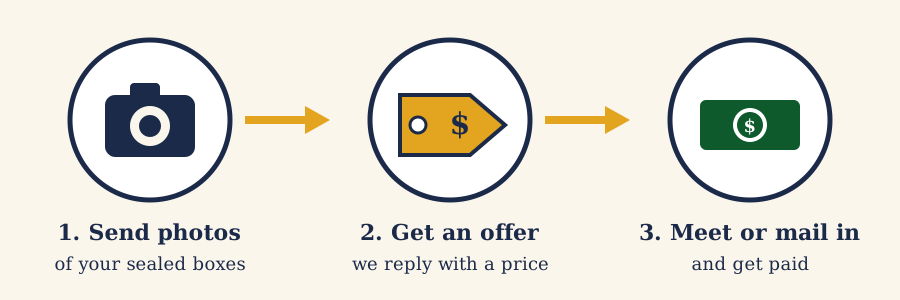
If your insurance changed and left you with sealed supplies you paid for, we may be able to help. We buy sealed, unexpired CGM sensors, Omnipod pods and test strips, and we never charge a fee. Send a photo of each box for a free quote.